
From Post‑Weld “Checkup” to In‑Process “Live Stream”:
How MindVision Industrial Cameras Evolve Welding Inspection in Three Levels
From Post‑Weld “Checkup” to In‑Process “Live Stream”:
How MindVision Industrial Cameras Evolve Welding Inspection in Three Levels
If you have ever watched robotic arms on an automated production line precisely complete one welding process after another, but rarely heard about the rework cost of “defects found only after welding” – you may not yet realize that welding inspection is undergoing a quiet revolution from post‑event sampling to real‑time monitoring.
A single pore hidden deep in a weld seam can cause an aircraft engine blade to fail at 10,000 meters altitude; a cold solder joint thinner than a human hair can scrap a PCB board before it even leaves the factory. Traditional inspection – manual visual or destructive sampling – is either subjective or costly and cannot achieve 100% coverage.
If we compare welding inspection to a progressive system ranging from “physical checkup” to “surgical live broadcast,” then MindVision’s industrial camera portfolio offers a complete solution from Level 1 to Level 3. Today, we will break down, across three levels, how MindVision industrial cameras excel in different welding‑inspection scenarios.
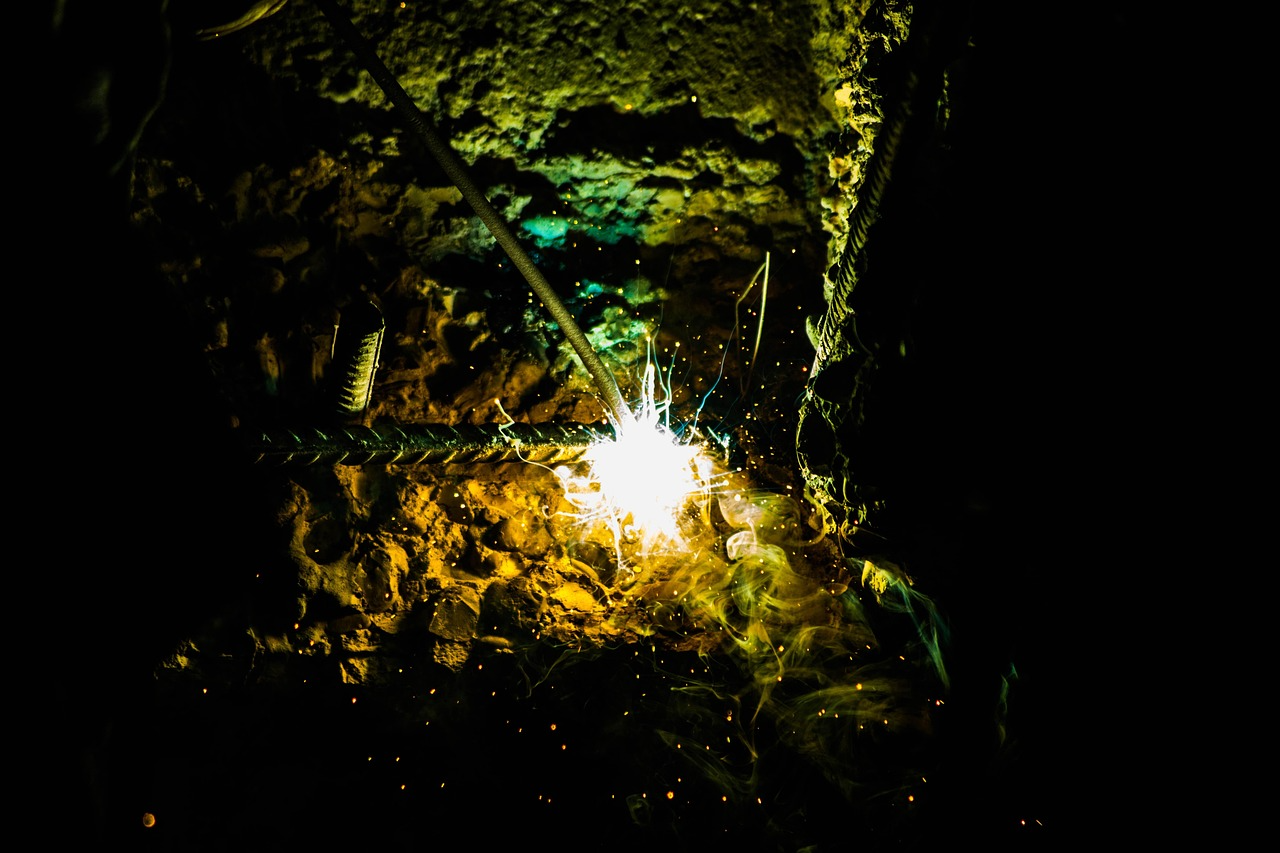
Level 1: Post‑Weld “Checkup” – High‑Resolution Imaging to Reveal Micron‑Level Defects
If your task is to inspect the quality of workpieces after welding – for example, whether solder joints on a PCB are fully formed, or whether the welding ribbons on solar panels show “exposed white” areas – then high‑resolution area‑scan or line‑scan cameras are your first choice.
At this level, the core challenge is “seeing clearly.” Solder joints on PCBs are often only 0.1 mm or even smaller; ordinary cameras cannot resolve the burrs on solder paste edges or subtle cold‑joint traces. MindVision’s range of high‑resolution cameras is purpose‑built for such “microscope‑grade” inspection.
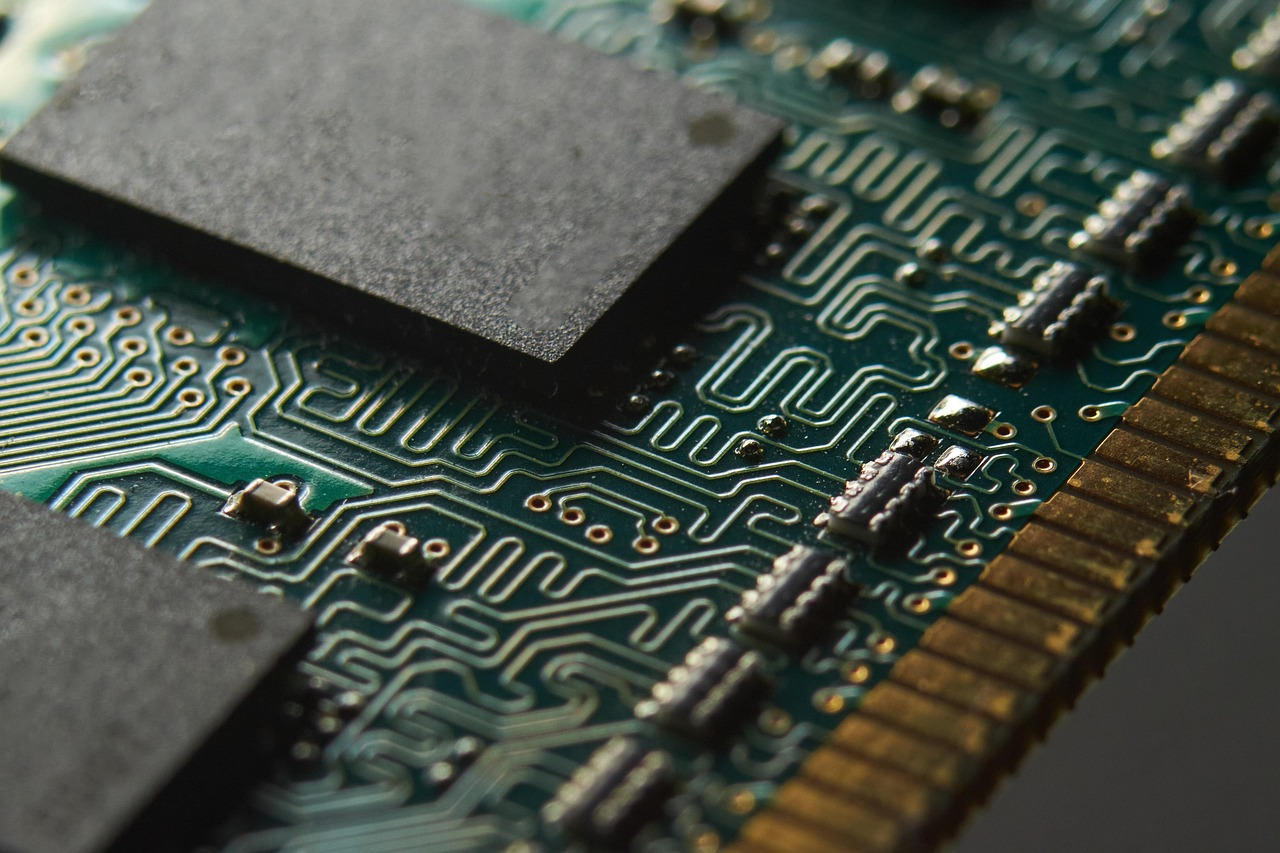
MV-PX6500GC/GM: The 65‑Megapixel “Detail Hunter”
This high‑speed area‑scan camera with a CXP‑12 interface offers an ultra‑high resolution of 9344 × 7000 pixels. In PCBA panel inspection, it clearly identifies micron‑level defects such as cold solder joints and solder bridges. With a CXP‑12 interface delivering up to 4850 Mbyte/s bandwidth – 4 times that of 10GigE and 12 times that of USB 3.0 – it avoids data congestion or latency even on high‑speed production lines.
MV-H2FL84M/U: 8K 256‑TDI Fiber‑Optic Transport Camera
For welding‑inspection scenarios requiring large‑area scanning, MindVision has launched China’s first 8K‑resolution, 256‑stage TDI camera with dual‑port fiber‑optic transmission. The dual 16G optical ports provide a total bandwidth of 32 Gbps, equivalent to the transmission capacity of three 10GigE industrial cameras. Combined with an ultra‑high line rate of 440 kHz, the 8K resolution delivers the most reliable image data for semiconductor wafer defect inspection and micron‑level cold‑solder detection on PCBA panels. The 256‑stage TDI technology ensures high‑contrast, low‑noise images under low light or high‑speed motion.
Solar Panel Welding Inspection
In the photovoltaic industry, multiple solar cells are connected in series by soldering tin foil. MindVision’s vision inspection system automatically detects the welding ribbons and tin foil in different zones, identifying “exposed white” conditions on the cells. This system has been widely adopted in solar panel inspection.
Level 2: In‑Process “Live Stream” – High‑Speed Global Shutter to Freeze Every Millisecond of the Weld Pool
When inspection moves from “post‑weld” to “in‑process,” the difficulty rises sharply.
The weld pool (molten pool) is the liquid metal region formed during welding; its shape, temperature, and flow directly reflect welding quality. To monitor the weld pool in real time while welding is in progress, industrial cameras face three major challenges: high‑speed dynamic capture (millisecond‑scale changes), strong‑light interference suppression (arc light is far brighter than the pool), and installation in confined spaces.
This is where MindVision’s high‑speed and miniaturized cameras shine.
CXP‑Interface High‑Speed Cameras: Freeze the Moment at 500 fps
MindVision’s self‑developed CXP‑interface high‑speed industrial cameras achieve 500 fps even at multi‑megapixel resolutions. Combined with global‑shutter technology, they effectively eliminate the “rolling‑shutter artifact” when capturing fast‑moving objects, ensuring that dynamic details such as pool edges and droplet transitions are clearly resolved. In overlay welding, molten‑pool monitoring cameras typically use 200‑500 fps high‑speed CMOS sensors, with dynamic exposure control and high‑optical‑density filters to suppress arc glare and spatter.
MV-MS136GC/M Series: The 14 mm “Micro‑Eye”
Welding stations often have limited space, making it difficult to install bulky traditional cameras. MindVision’s coaxial split‑body camera MV‑MS136GC/M has a sensor‑head size of only 14 mm × 14 mm × 48 mm and a module cross‑section of just 11.5 mm × 11.5 mm, weighing less than 20 g. This miniaturized design allows it to be embedded in extreme positions where conventional cameras cannot fit. In precision semiconductor welding monitoring, it accurately identifies tiny defects.
MV-GE134GC: The Cost‑Effective Global‑Shutter Option
For scenarios that do not require extreme frame rates but do require global shutter to eliminate rolling‑shutter artifacts, MindVision’s MV‑GE134GC GigE camera is a highly cost‑effective complementary choice. It uses a 1.3‑megapixel global‑exposure CMOS sensor (pixel size 4.8 μm × 4.8 μm) and delivers 91.5 fps at 1280 × 1024 resolution – sufficient to capture the weld‑pool morphology in some low‑speed welding processes (e.g., manual TIG welding, low‑speed laser welding). It supports the standard GigE Vision protocol for easy integration into existing inspection software, and features a compact size (29 mm × 29 mm × 40 mm) and optional PoE power supply. It is a reliable entry‑level choice for welding‑monitoring projects with limited budgets or moderate speed requirements.
AI‑Powered Real‑Time Defect Detection
With clear weld‑pool images captured by high‑speed cameras, the next step is to let the system “understand” these images. MindVision’s molten‑pool real‑time inspection system, based on AI deep‑learning algorithms, automatically identifies common welding defects such as porosity, slag inclusion, lack of fusion, and undercuts. Once a defect is detected, the system triggers an audible/visual alarm or stop signal to prevent mass production of defective parts. All welding process data – including molten‑pool images, defect types, and timestamps – are logged for full traceability.
Application Cases: Aerospace and Heavy Equipment
In additive repair of aero‑engine turbine blades, MindVision’s system achieved micron‑level penetration‑depth measurement, significantly reducing porosity and crack defects to meet aviation‑grade quality standards. On heavy‑construction‑machinery overlay‑welding lines, the molten‑pool camera monitors layer thickness in real time, and closed‑loop control drastically reduces rework rates.
Level 3: Beyond Visible Light – UV and SWIR, Seeing the “Other Side” of Welding
At Level 3, we enter the “special‑operations” domain of welding inspection.
The intense light from the welding arc far exceeds the reflection from the weld pool itself, often leaving ordinary visible‑light cameras “blinded.” Moreover, some welding defects – such as micro‑cracks, surface oxidation, and coating uniformity issues – are simply invisible under visible light. This is where UV and short‑wave infrared (SWIR) cameras come into play.
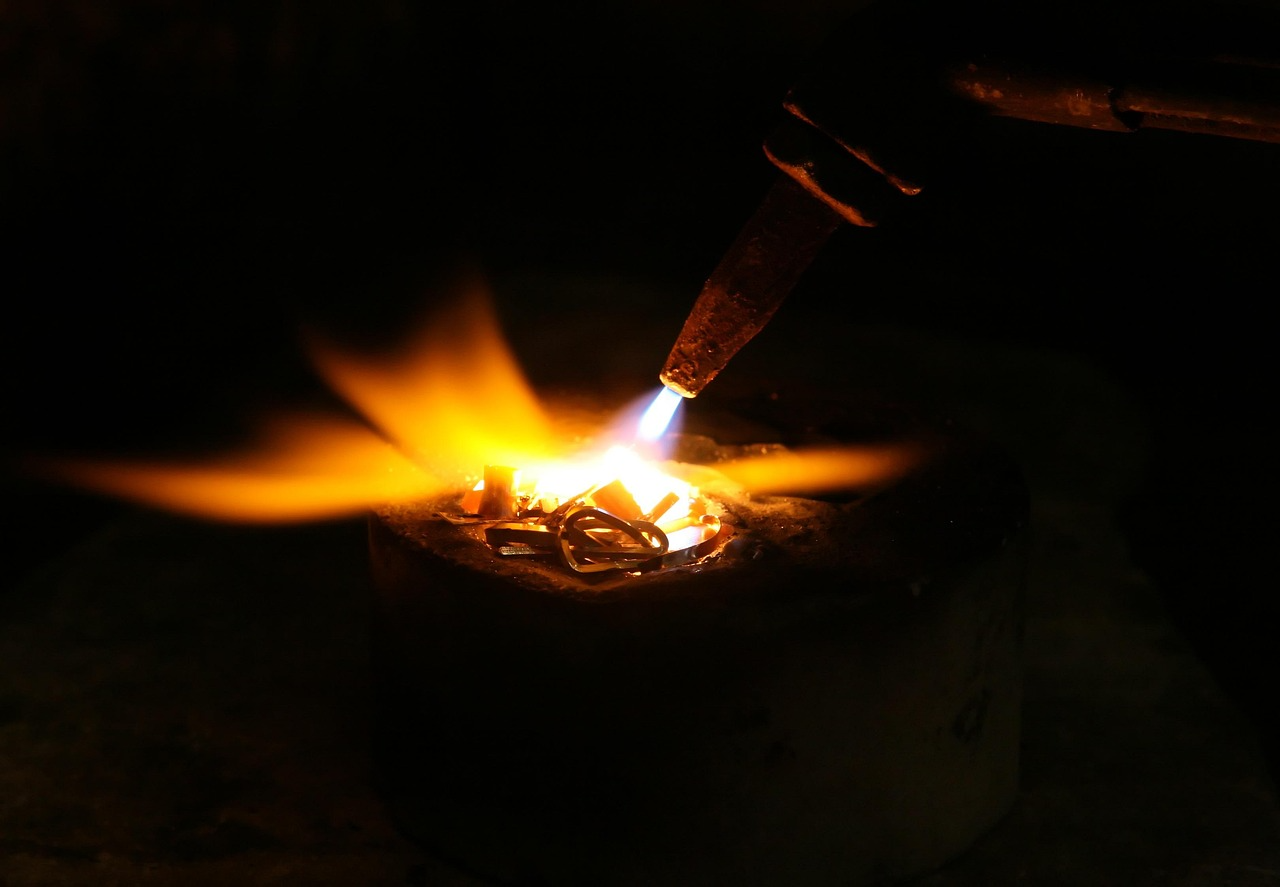
MV-PXL90U: 9K UV‑Enhanced Line‑Scan Camera
MindVision’s newly launched MV‑PXL90U UV area‑scan industrial camera covers a spectral range of 200‑1100 nm, with specific enhancement in the 250‑380 nm UV band. Its 9K ultra‑high resolution combined with a 529 kHz ultra‑high line rate precisely captures microscopic defects. The 256+32 TDI technology boosts the signal‑to‑noise ratio under low‑light conditions, and the water‑cooling design ensures stable operation under high‑temperature, heavy‑load conditions.
In welding inspection, what can a UV camera do? For example, it can inspect the uniformity of resin coatings on electronic devices – colourless transparent resin appears black under UV imaging due to its absorption characteristics, while uncoated areas reflect white from the metallic substrate. The contrast difference quickly locates coating‑thin, missing‑coating, or overflow defects. This is precisely the key link in post‑weld protective‑coating quality inspection.
MV-GEC500I: 5‑Megapixel SWIR Camera
MindVision’s SWIR camera uses an InGaAs sensor with a response band covering 900‑1700 nm. In welding inspection, SWIR can penetrate smoke and partial obstructions, capturing the thermal signature of the weld pool and producing clear images even against bright backgrounds. With frame‑exposure mode and a sensitivity of <‑86 dB, it operates stably even in low‑light environments.
Why Do We Need to “See the Invisible”?
The human eye can only perceive visible light from 380 to 750 nm. Yet much of the critical information during welding – temperature distribution, heat‑affected zone, micro‑cracks, coating defects – lies hidden outside the visible spectrum. MindVision’s UV and SWIR cameras are purpose‑built for these “invisible” inspection needs.
Quick Decision Guide: Which Level Should You Use?
| Scenario | Recommended Level | Recommended Hardware |
|---|---|---|
| PCB solder‑joint cold‑solder detection, solar‑panel ribbon inspection | Level 1 | MV‑PX6500GC/GM, MV‑H2FL84M/U |
| Real‑time overlay‑welding pool monitoring, aero‑blade additive repair (high speed) | Level 2 | CXP‑interface high‑speed camera (500 fps), MV‑MS136GC/M |
| Real‑time monitoring of low‑speed welding (e.g., manual TIG), budget‑constrained | Level 2 (entry) | MV‑GE134GC (GigE, 91.5 fps, global shutter) |
| Weld‑pool monitoring under strong arc light | Level 2+3 | High‑speed camera + UV/SWIR camera |
| Welding coating quality inspection, micro‑crack detection | Level 3 | MV‑PXL90U, MV‑GEC500I |
| Multi‑camera high‑speed line coordination | +PTP sync | GigE cameras with IEEE 1588 PTP support |
Frequently Asked Questions (FAQ)
The weld pool is a high‑speed dynamic liquid region where morphological changes occur on a millisecond scale. Rolling‑shutter exposure (line‑by‑line) causes “rolling‑shutter artifact” at the fast‑moving pool edges – image distortion and warping that prevent accurate assessment of the pool’s true geometry. Global shutter exposes the entire image at once, “freezing” the real instant of the pool. MindVision’s global‑shutter industrial cameras (including the MV‑GE134GC) are designed precisely for this purpose.
This is one of the core challenges in welding inspection. MindVision’s molten‑pool monitoring solution combines high‑optical‑density filters and dynamic exposure control to effectively suppress arc glare and spatter interference. Additionally, UV‑enhanced cameras (e.g., MV‑PXL90U) and SWIR cameras (e.g., MV‑GEC500I) image in different spectral bands, avoiding the strong visible‑light interference and revealing pool details in the “blind zone.”
Generally, 200‑500 fps is sufficient to accurately capture weld‑pool dynamics. MindVision’s CXP‑interface high‑speed cameras achieve 500 fps at multi‑megapixel resolutions. For lower‑speed processes, the MV‑GE134GC’s 91.5 fps can serve as an entry‑level monitor, capturing overall pool morphology changes, though fine droplet transitions may not be as clear.
No. Miniaturization does not come at the cost of performance. The MV‑MS136GC/M series, within its compact 14 mm × 14 mm × 48 mm size, maintains coaxial imaging precision and uses an integrated single‑cable design – one cable handles image transmission, trigger control, and power simultaneously. In precision semiconductor welding monitoring, it accurately identifies tiny defects.
UV cameras can detect many defects that are hard to see under visible light. In welding‑related scenarios, this includes: uniformity inspection of post‑weld resin/protective coatings (high contrast between coating and substrate under UV), micro‑cracks and scratches on material surfaces, and oxidation‑layer detection in the heat‑affected zone. The MV‑PXL90U, covering 200‑1100 nm with specific enhancement at 250‑380 nm, is an ideal choice for such inspections.
Yes, but trade‑offs are needed based on specific requirements. High‑resolution cameras (e.g., the 65‑MP MV‑PX6500) are suited for “static” inspection – fine scanning after welding. High‑speed cameras (e.g., the 500‑fps CXP series) are suited for “dynamic” monitoring – real‑time pool capture during welding. If your line requires both post‑weld full inspection and in‑process monitoring, you can deploy two separate vision systems, or choose a model that balances high resolution and high frame rate (e.g., the MV‑PX6500 supports both high resolution and CXP‑12 high‑speed transmission).
This depends on the camera mounting. If the camera is fixed (Eye‑to‑Hand) and the welding station, lighting, and lens focal length remain unchanged, calibration can last for weeks or even months. However, if the camera is mounted on the robot arm (Eye‑in‑Hand), every change in the arm’s pose affects the coordinate relationship between camera and workpiece; re‑calibration is recommended after each changeover or robot maintenance. MindVision’s camera SDK is well‑designed for quick integration into existing inspection software, reducing the hassle of repeated calibration.
In high‑speed welding inspection, time synchronisation among multiple cameras is critical – even microsecond‑level deviations can cause image‑stitching errors or measurement offsets. MindVision’s GigE series cameras (including the MV‑GE134GC) support the IEEE 1588 Precision Time Protocol (PTP), achieving sub‑microsecond (<1 μs) synchronisation across devices – thousands of times more precise than traditional NTP (millisecond‑level). This is especially critical for multi‑camera panoramic stitching and 3D reconstruction of weld seams.
Final Thoughts: The Art of Engineering Lies in Choosing the Right Tool
From high‑resolution post‑weld “checkups,” to high‑speed in‑process “live streams,” and then to UV/SWIR “special‑detection” – MindVision’s industrial camera portfolio offers reliable imaging solutions for every difficulty level of welding inspection.
No single solution is “the best.” True engineering wisdom lies in identifying your real needs and then choosing the simplest, most fitting tool. An experienced engineer knows that when Level 1 can solve the problem, there is no need to pile on Level 3 complexity – higher cost, longer debugging, and more troublesome maintenance.
With MindVision’s complete product matrix – from GigE to CXP‑12, from visible light to UV and SWIR – and flexible choices like the MV‑GE134GC that balance global shutter with cost‑effectiveness, you have full flexibility to build a welding vision inspection system that truly fits your production line – whether it is a simple post‑weld sampling station, a complex real‑time pool‑monitoring cell, or a budget‑constrained entry‑level retrofit project.
#MindVision
Selecting the right industrial camera for your vision system is just as critical as picking the right calibration method. Resolution, frame rate, spectral range, environmental protection (IP rating), interface (GigE, USB3, 10GigE), and budget all play a role. A mismatched choice can lead to missed detections, false positives, system instability, and ultimately lower ROI.
MindVision offers free professional camera selection consulting for a wide range of applications – from factory automation and robotic guidance to logistics sorting and even specialized environments like aquaculture or agriculture. Our engineering team can analyze your specific scene: object size, motion speed, lighting conditions, mounting space, and detection accuracy goals. We then recommend the optimal camera, lens, lighting, and housing (including waterproof/anti-vibration enclosures) to fit your project.
Whether you are a system integrator or an end user, we are happy to provide technical support, sample testing, and on-site demonstrations. Contact us to discuss your requirements – we speak both engineer and business.
We’ll be glad to help you
Please Login
Full Name
Company Name
E-mail*
Country / Region
Your Needs / Application*
Verification code

Get in touch
Name*
E-mail*
Country*
Your Needs / Application*
